
You’ve probably felt it after a long day of work or reading—that tired, heavy feeling in your eyes. This is eye fatigue, and it’s a common experience for many people. How long it sticks around can depend on a few different factors, but you can take simple steps to find relief.
For most people, eye fatigue is temporary and can resolve within an hour after resting your eyes, but persistent discomfort can last for days if the underlying cause isn’t addressed. You can take simple, proactive steps to find relief and support your long-term eye health. If ongoing eye fatigue is affecting your comfort, the Prairie Vision team in Wainwright and Vermilion can help you find lasting relief with personalized care for your whole family.
What Is Eye Fatigue & What Causes It?
Think of eye fatigue, or eye strain, as a sign that your eyes have been working hard. It’s not an illness—it’s just your eyes telling you they need a rest. This often happens when you focus on one thing for a long time, like a screen or a book.
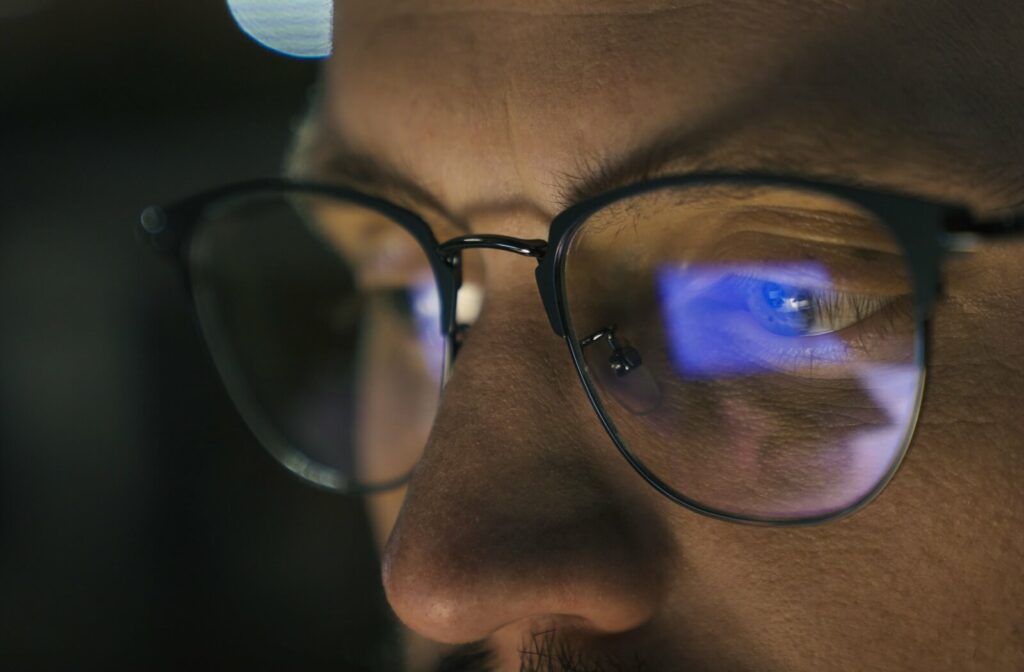
A common contributor today is digital eye strain, which comes from looking at screens on computers, phones, and tablets. The glare, contrast, and blue light from these devices can make your eye muscles work harder. This sustained effort can lead to that familiar tired feeling.
Common Activities That Lead to Tired Eyes
Several daily activities can contribute to that strained feeling in your eyes, including:
- Looking at digital screens for many hours
- Driving long distances
- Reading a book, especially in dim light
- Working in a poorly lit environment
- Having an uncorrected vision problem
How to Know If You Have Eye Fatigue
The signs of eye fatigue can affect more than just your eyes. Since your eyes are working overtime, you might notice discomfort that spreads to other parts of your body. These symptoms are your body’s way of signaling that your eyes need a break.
Signs & Symptoms of Eye Strain
You might notice one or more of these common signs:
- Sore or tired eyes
- Dry or watery eyes
- Blurred or double vision
- Headaches
- Increased sensitivity to light
- Difficulty concentrating
- Soreness in your neck, shoulders, or back
The Duration of Eye Fatigue & When to Pay Attention
For many, eye fatigue is temporary. Once you rest your eyes, the discomfort usually goes away within an hour or so. If you don’t address the cause, however, it can last for a few days or become a recurring issue.
When Tired Eyes Point to Something Else
If you take breaks and make adjustments but your eye fatigue continues, it could be related to one of these conditions:
- Dry Eye: Your eyes don’t produce enough tears to stay lubricated.
- Myopia: Also known as nearsightedness, which makes distant objects look blurry.
- Hyperopia: Also known as farsightedness, which makes close-up objects look blurry.
- Astigmatism: An irregular curve in your eye’s lens that causes distorted vision.
- Presbyopia: An age-related condition that makes it harder to focus on nearby objects.
At Prairie Vision, we offer a full range of dry eye treatments—including IPL therapy, radiofrequency (RF), punctal plugs, Bleph Eyebags, PROKERA, and specialty dry eye products—to help relieve persistent irritation and fatigue.
For children experiencing fatigue related to blurry distance vision, we also provide myopia control options to help slow progression and support comfortable, clear vision.
Simple Ways to Relieve & Prevent Eye Fatigue
You can make small changes to your daily routine to help your eyes feel more comfortable. These habits can reduce the frequency of eye fatigue and help it go away faster when it does occur. Being proactive is a great way to care for your vision.
Adjust Your Environment & Habits
Your surroundings play a big part in how hard your eyes have to work. Position your computer screen about an arm’s length away and slightly below eye level. You can also adjust the brightness and contrast on your devices to comfortable levels.
It also helps to blink more often. Blinking keeps your eyes moist and can wash away debris. This simple action is one of the easiest ways to prevent dryness and irritation.
Use the 20-20-20 Rule
This is an easy way to give your eyes a necessary break during screen time. It’s a simple memory aid to help you reset your focus. The steps are straightforward and easy to follow.
- Every 20 minutes, stop what you’re doing.
- Look at an object at least 20 feet away.
- Hold your gaze for at least 20 seconds.
Consider Your Eyewear
If you wear glasses or contacts, make sure your prescription is current. An old prescription can make your eyes work much harder than they need to. We can also discuss different types of lenses that may help reduce digital eye strain during your next visit.
During your visit, we can also recommend lens options that help reduce digital eye strain, especially if you spend long hours on screens.
When to Connect With Your Eye Doctor
If you’ve tried taking breaks and adjusting your habits but your eye fatigue continues for days or keeps returning, it’s a good idea to book an eye exam. Our team can determine whether the cause is dry eye, an outdated prescription, digital eye strain, or another vision concern that may need support.
As your family eye care providers in Wainwright and Vermilion, Prairie Vision offers comprehensive care for all ages. Whether you need updated eyewear, dry eye treatment, or myopia control for your child, we’re here to help you see comfortably every day.
Contact Prairie Vision today to schedule your next appointment—we’re here to help you and your family find relief and support long-term eye comfort.