Can Dry Eyes Cause Headaches?
The discomfort and eye strain from dry eye syndrome can lead to headaches. […]
It’s no secret that the weather in Alberta can get cold and dry, and with that, dry eye can be a common condition many people have to deal with. The good news is that you’re not alone. Our team at Prairie Vision has you covered.
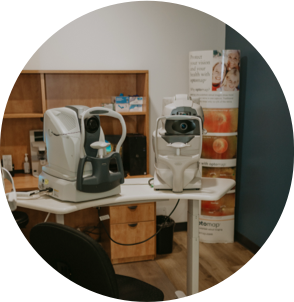
Our experienced eye doctors offer comprehensive evaluations and a range of treatment options designed for long-term dry eye relief. Through diagnostics and treatments like IPL therapy, radiofrequency treatments, and more, we can help you find relief.
If dry eye symptoms are impacting your daily life, book an appointment with us to discuss relief options tailored to your needs.
Book Appointment
Dry eye can affect each person differently, often affecting both eyes at once. Some common symptoms of dry eye can include:
Dry eyes are usually due to an imbalance in the tear film, leading to insufficient hydration. Tears are crucial for nourishing and lubricating the eyes, helping keep them comfortable and healthy. Dry eye occurs when tears fail to provide adequate hydration, which is common and often chronic, leading to discomfort and irritation.
This can happen because of aqueous deficiency or evaporation. To understand these, it helps to know how the tear film works.
Every time you blink, your tear film spreads across the surface of your eyes. This film is essential for keeping your eyes healthy and comfortable. It also helps focus light and protect your eyes from debris and dirt.
Your tears are made of 3 distinct but equally important layers:
Aqueous deficient dry eyes occur when the lacrimal glands don’t produce enough of the tear film’s aqueous layer. They account for only a tenth of dry eye cases and are usually characterized by their relation to Sjögren’s syndrome, an autoimmune disease.
Evaporative dry eyes occur when there’s a lipid layer deficiency, leading to increased tear evaporation. It’s often caused by meibomian gland dysfunction (also known as MGD, a condition that blocks the meibomian glands) and blepharitis (inflammation of the eyelids). This type of dry eye can occur in cycles: blepharitis can cause dry eyes, but dry eyes can also cause blepharitis.
Although a tear film imbalance is the primary cause of dry eyes, many factors can influence this imbalance in the first place. Some of these include:
We use different diagnostic tools and techniques to thoroughly assess your dry eye needs. Our diagnostic process can include:
Through these diagnostic methods, we can help diagnose your dry eye and prepare a treatment plan.
Every case of dry eye is unique. Our team first diagnoses the root cause to prioritize relief and then tailors a treatment plan to meet individual needs.
Depending on your specific case, you may require more than one type of treatment. We offer several dry eye therapy options at Prairie Vision so you have a better chance of achieving comfortable, clear, and healthy vision.
Lumecca IPL (intense pulsed light) is a treatment that targets the root causes of dry eye discomfort. This non-invasive procedure uses light technology to reduce inflammation, improve tear film stability, and improve overall eye health.
By addressing meibomian gland dysfunction, which is often a key contributor to dry eye, Lumecca IPL promotes the production of natural oils in tears, leading to improved hydration and relief from symptoms.
If you are considering IPL therapy, please complete our Fitzpatrick Skin Type Questionnaire before booking to confirm your eligibility for treatment.
Forma radiofrequency is a treatment for dry eyes that uses controlled radiofrequency energy to stimulate collagen production in the eyelids. This process helps improve the meibomian glands’ function, which is crucial for producing the oily layer of tears that prevents evaporation.
Radiofrequency treatments help improve tear quality and stability, relieve dry eye symptoms, prioritize comfort, and create a healthier tear film.
For patients with moderate to severe dry eye, prescription drops can provide effective relief:
These drops are often used as part of a long-term treatment plan to restore balance to the tear film.
Along with these drops, we also offer a range of eye drops and gels to support eye health and comfort. These include preservative-free artificial tears, Thealoz Duo, TheaHyabak, LabTriactiv, LabReleev, and Liposic.
Scleral lenses are custom contact lenses that vault over the cornea and rest on the sclera (the white of the eye). They create a fluid reservoir between the lens and the eye’s surface, providing constant hydration and protection.
Scleral lenses are especially helpful for patients with severe dry eye or those who have not found relief from other treatments.
ZEST (Zocular Eyelid System Treatment) is an in-office eyelid cleansing therapy that targets debris, bacteria, and biofilm along the lash line.
By clearing blockages and reducing inflammation, ZEST helps improve meibomian gland function and supports long-term relief from dry eye symptoms.
Amniodisc is an amniotic membrane therapy designed to promote natural healing of the eye’s surface. It provides anti-inflammatory and regenerative properties to help repair damage from chronic dry eye, making it an effective option for patients with more advanced or persistent symptoms.
Punctal plugs are tiny medical devices about the size of a grain of rice that are inserted into tear ducts to prevent tears from draining too quickly. They can also be used with artificial tears.
We also carry supportive products for at-home relief:
If you’re experiencing symptoms like dryness, irritation, or blurred vision, take our quick dry eye questionnaire to assess your symptoms. We’ll use your results to recommend effective relief options tailored to your needs.
Ever wondered how your skin reacts to the sun? Understanding your Fitzpatrick skin type can help determine your risk for sun damage and eye conditions like UV-related cataracts.
Take our quick Fitzpatrick skin type quiz to learn more about your skin’s sensitivity and how to protect your eyes and overall health.
Completing a health history form is an important first step in preparing for your dry eye treatment at Prairie Vision. This form helps us understand your unique medical background, symptoms, and lifestyle factors that may be contributing to your dry eye condition.
Living with dry eye can be frustrating, but you do not have to settle for discomfort. At Prairie Vision, we combine diagnostic tools with a full range of personalized treatments to help restore comfort, clarity, and confidence in your vision.
Whether you’re dealing with occasional irritation or persistent dryness, our team can create a plan tailored to your unique needs. From in-office therapies like IPL and radiofrequency to prescription drops, scleral lenses, and at-home support, we are here to help you find lasting relief.
Let us help you see and feel your best. Contact us to schedule your next appointment today.
Book AppointmentWe serve patients of all ages from Wainwright, Viking, Provost, Lloydminster, Macklin, and the surrounding areas.

We serve patients of all ages from Kitscoty, Mannville, Elk Point, Dewberry, and the surrounding areas.

The discomfort and eye strain from dry eye syndrome can lead to headaches. […]
For most people, eye fatigue is temporary and can resolve within an hour after resting your eyes, but persistent discomfort can last for days if the underlying cause isn’t addressed. […]
Scleral lenses are recommended when traditional contact lenses or glasses cannot provide comfortable, clear vision, often for people with irregular corneas, advanced dry eye, or other complex eye conditions.
[…]
A diabetic eye exam is a screening that focuses on catching vision-threatening complications that might stem from diabetes before they permanently affect your sight.
[…]
Progressive lenses offer multiple prescription strengths in a single lens. This is helpful for people who need vision correction at multiple distances, allowing them to see well without the hassle of numerous pairs of glasses.
[…]
The good news is that there are vision therapy options for children that can help. […]
The reality is that dry eye itself doesn’t directly cause floaters. Nonetheless, the 2 conditions can sometimes be interconnected due to underlying factors within the eye. […]
Intense pulsed light (IPL) treatment for dry eyes is a noninvasive therapy that uses light energy to help reduce inflammation, restore oil gland function, and improve tear quality.
IPL can offer longer-lasting relief by targeting a common root cause of symptoms, meibomian gland dysfunction (MGD).
[…]
Plenty of common reasons for eyelid discomfort include eye strain, dryness, allergies, pink eye, and styes. Understanding the underlying differences in these causes can help you take steps to finding relief and recognize when to see an optometrist. […]
Myopia, often referred to as nearsightedness, is one of the most common refractive errors in the world today. It’s caused by an abnormal development in the eye’s shape. Unfortunately, once the eye physically changes, myopia cannot be reversed. Although, it’s important to note that some effective myopia control options are available to slow or stop […]
As parents, it’s natural to worry when you notice unusual behaviour in your child, such as excessive blinking. While it may be a temporary habit, excessive blinking in children could indicate a vision problem, such as dry eyes, eye allergies, or the need for vision correction. A children’s eye exam can assess your child’s vision […]
Read More… from Excessive Blinking in Children: Could It Be a Vision Problem?
Contact lenses offer a convenient and flexible alternative to glasses in vision correction. Understanding the lifespan of your contacts can help you avoid exposing your eyes to lenses that are past their prime—keeping your eyes from drying out, getting irritated, or developing an infection. However, the longevity of contact lenses depends on their type. Some […]
Glasses work with lenses hovering a few millimetres away from your eyes, but contact lenses sit directly on your corneas. This distance must be accounted for when determining the prescription. […]
Read More… from What’s the Difference Between a Contact Lens Prescription & Glasses Prescription
In reality, wearing the appropriate prescription glasses can help alleviate strain and improve visual clarity, allowing you to see the world as it’s meant to be seen. […]
While they’re often mistaken or confused for each other, they differ in terms of how your eyes move. Amblyopia is commonly known as “lazy eye”, while strabismus refers to having “crossed eyes”. […]
Read More… from Amblyopia vs. Strabismus: What’s the Difference?
If you’ve been experiencing blurred vision and wondering if dry eye is to blame, you’re in the right place. Dry eye can cause blurred vision because of:
Tear film instability
Inflammation
Corneal Damage […]
Lazy eye can be treated using a variety of tools like vision therapy, prism eyeglasses, and surgery. Treatment is most effective during childhood, but it’s never too late to treat lazy eye! […]
Your baby could be rubbing their eyes for several reasons, including tiredness, allergies, irritated eyes, or infection. […]
The reasons behind morning eye dryness vary widely, including:
Insufficient sleep
Allergic reactions
Irritation from contact lenses
Dehydration
Certain medications
Environmental conditions
An underlying infection […]
Read More… from Why Am I Waking Up with Dry Eyes? Causes & Treatments
Eye exams are only covered under the Alberta Health Care Insurance Plan (AHCIP) for children 18 and under, adults over 65, and those who need an eye exam that is deemed “medically necessary” because of trauma or another medical condition. […]
During a comprehensive eye exam, an optometrist can check how well the eyes and brain work together. Then, they’ll likely recommend vision therapy—a treatment designed to retrain your visual system to work seamlessly! […]
Read More… from What Is Binocular Vision Dysfunction & How Is It Tested?
While many people live with astigmatism without experiencing a significant change in their condition, some may notice a worsening of symptoms if left untreated, with age, and if accompanied by other eye conditions. […]
Eye drops expire, but they’re generally safe to use until they reach their expiration date. They lose their effectiveness after they expire and may not be as helpful—there’s also a risk of infection. Stay safe and avoid using expired eye drops. […]
Red, watery, uncomfortable eyes—is it pink eye or something else? Many patients may wonder whether they should visit their optometrist right away for an exam or wait to see if their symptoms go away with time. While these symptoms can mean you have pink eye, they may also be something else—like dry eyes, keratitis, or glaucoma. […]
Your eyes play an important role in your everyday life, but that doesn’t mean they’ll always be perfect. Refractive errors, like myopia and hyperopia, affect millions of people in Canada. While they share some symptoms and can both be treated with the help of your optometrist, there are some key differences between myopia and hyperopia. […]
Read More… from Myopia vs. Hyperopia: What’s the Difference?
Our eyes are remarkable organs that grant us the gift of sight, allowing us to perceive the world around us. However, like all aspects of our health, our eyes require regular care and attention. Eye exams are a fundamental component of maintaining your vision and identifying potential eye health issues, and should be a regular […]
When it comes to correcting refractive errors, there are many solutions available. And when dealing with issues like presbyopia, a common solution is bifocal lenses. These lenses contain 2 different prescriptions within a single lens—one for near vision, and one for distance vision, allowing for convenient vision correction for common age-related refractive errors. What Are […]
Read More… from What Are Bifocal Glasses and How Do They Work?
Are you wondering if it’s safe to sleep with contact lenses in? The short answer to this question is: it’s not recommended. During contact lens exams, eye care professionals emphasize the importance of proper lens fitting, care, and usage. While some contact lenses are designed for overnight wear, sleeping in your lenses can pose risks […]
Sunglasses are a great way of protecting your eyes from sun damage and keeping you comfortable when you’re playing or working outside. But not all sunglasses are made equal. For example, if you spend a lot of time around water or large reflective surfaces, polarized sunglasses could be a great option. Fortunately, it’s not hard […]
Read More… from How to Tell If Your Sunglasses Are Polarized
For a quick glasses clean, most of us are guilty of a quick breath on the lenses and wiping them on our shirts. But this isn’t an ideal way to clean glasses and could damage your stylish prescription glasses. Rinsing with clean water, using a cleaning solution or a gentle soap, and wiping dry with […]
Read More… from How to Properly Clean Your Glasses: A Step-by-Step Guide
In reality, wearing the appropriate prescription glasses can help alleviate strain and improve visual clarity, allowing you to see the world as it’s meant to be seen. […]
Lorem ipsum dolor sit amet, consectetur adipiscing elit, sed do eiusmod tempor incididunt ut labore et dolore magna aliqua. Ut enim ad minim veniam, quis nostrud exercitation ullamco laboris nisi ut aliquip ex ea commodo consequat. Duis aute irure dolor in reprehenderit in voluptate velit esse cillum dolore eu fugiat nulla pariatur. Excepteur sint occaecat […]
While they’re often mistaken or confused for each other, they differ in terms of how your eyes move. Amblyopia is commonly known as “lazy eye”, while strabismus refers to having “crossed eyes” […]
Read More… from Amblyopia vs. Strabismus: What’s the Difference?
Lorem ipsum dolor sit amet, consectetur adipiscing elit, sed do eiusmod tempor incididunt ut labore et dolore magna aliqua. Ut enim ad minim veniam, quis nostrud exercitation ullamco laboris nisi ut aliquip ex ea commodo consequat. Duis aute irure dolor in reprehenderit in voluptate velit esse cillum dolore eu fugiat nulla pariatur. Excepteur sint occaecat […]
If you’ve been experiencing blurred vision and wondering if dry eye is to blame, you’re in the right place. Dry eye can cause blurred vision because of: Tear film instability Inflammation… […]
Lorem ipsum dolor sit amet, consectetur adipiscing elit, sed do eiusmod tempor incididunt ut labore et dolore magna aliqua. Ut enim ad minim veniam, quis nostrud exercitation ullamco laboris nisi ut aliquip ex ea commodo consequat. Duis aute irure dolor in reprehenderit in voluptate velit esse cillum dolore eu fugiat nulla pariatur. Excepteur sint occaecat […]
As your child grows and develops, their eyes are constantly changing. This can make it difficult for them, or you, to realize they’re having a problem with their vision. With so many things in their early years depending on their vision, it’s vital that they attend regular eye exams to make sure their eyes are […]
A friend may recommend blue light glasses if your eyes hurt when looking at digital screens like your computer. These glasses can help filter blue light for however long you wear them. If you’re a frequent screen user, you might wonder if you can wear these glasses all day. While you can wear your blue […]
Contact lenses are a great option for those who do not want to have corrective laser surgery or do not want to be constantly wearing glasses. As with any other corrective measures for your vision, an eye exam will determine what is needed to make you see clearly. Much like a regular eye exam, a […]
Many people need glasses to help them see, but only some know how to find a properly fitted frame for their face. A good pair of glasses should rest comfortably on the bridge of your nose and not press against your brow or cheeks. However, they shouldn’t be so close to the tip of your […]
Planning for Your Eye Exam When it’s time for your routine eye appointment, or you’re ready to update your frames or lenses, how much time should you set aside? A complete eye exam usually takes less than an hour. However, the length of your exam depends on the tests performed and your individual eye care […]
It’s best to play it safe when it comes to your eyes. You should have your eyes examined regularly and take proper care of the prescription glasses or contact lenses that your eye doctor prescribes. If you’ve ever looked at the box your contacts came in, you might have noticed an expiration date on the […]