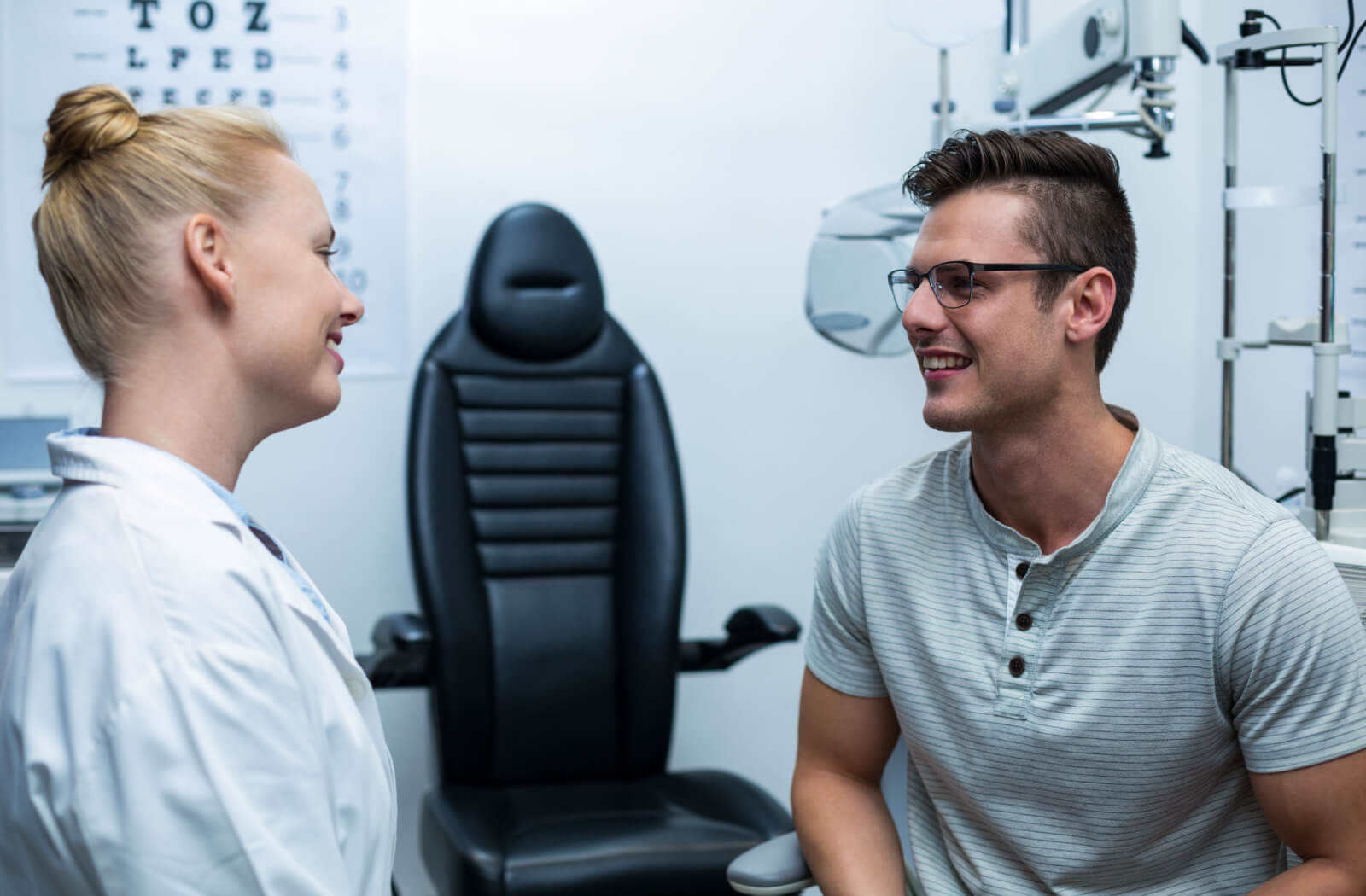
Eye exams are only covered under the Alberta Health Care Insurance Plan (AHCIP) for children 18 and under, adults over 65, and those who need an eye exam that is deemed “medically necessary” because of trauma or another medical condition.
Eye exams are essential for detecting and treating eye conditions early, but we know some people do have questions and concerns about the potential cost of routine eye care. Learning more about your options for coverage can help you get care that could benefit your vision and long-term health.
Eye Care Coverage in Alberta
The AHCIP helps Albertans cover medical expenses like doctors’ trips, surgeries, and other necessary medical services. It also provides some coverage for optometry and dental services. Eye exams are covered for some Albertans, but not everyone.
The plan provides partial coverage in a single benefit year (12-month period). Children under 18 and adults 65 and older can receive a complete and partial eye exam and 1 diagnostic procedure per benefit year.
The specifics of eye care coverage under the AHCIP are as follows:
- An annual comprehensive eye exam for children under 18 and adults over 65. This exam is eligible once per benefit year (July 1 to June 30).
- Fully-covered treatment for specific medical conditions treated by an optometrist. Your eye doctor cannot charge you for AHCIP-covered services, but you must pay any additional costs.
- Complete coverage for anyone 19–65 for an eye exam your doctor deems “medically necessary.” An eye exam may be necessary due to trauma, a medical condition, or an illness.
Partial coverage means that if treatment costs exceed your benefits, you or your insurance provider may be required to pay the difference. You can always speak with us before getting treatment to confirm your coverage.
Eye Exams Are Essential for Your Health & Vision
Taking care of your vision is crucial, and one of the best ways to do that is by scheduling regular comprehensive eye exams. While many people believe they only need to visit an eye doctor when they experience vision problems, that’s not true.
An eye exam can help detect early signs of eye diseases and conditions before they cause vision loss, such as:
- Glaucoma
- Cataracts
- Age-related macular degeneration
Eye exams can also identify health issues like diabetes and high blood pressure. You can take proactive steps to protect your health and vision by getting regular eye exams.
How Often Should You Visit an Eye Doctor?
Your recommended eye exam frequency can vary depending on your age and eye health. While children should have an annual eye exam, adults 20–64 years old should have a comprehensive eye exam at least every 2–3 years. People with a higher risk of eye health problems, like people with diabetes or adults over 65, should have an annual eye exam, as recommended by their optometrist.
What Can You Expect During Your Eye Exam?
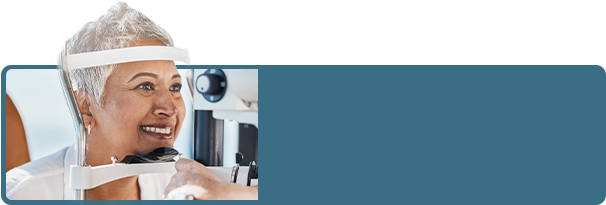
Your eye exam is more than a screening to test your sight—it’s an in-depth look at all aspects of your vision and eye health. Eye exams play a key role in protecting your vision as you age.
While you may experience many tests during this exam, your appointment can generally be broken down into a vision and eye health assessment.
Vision Assessment
The vision assessment is often the most well-known part of an eye exam. It’s where your optometrist tests how well you can see—your visual acuity.
Vision is more than just clear sight, too—your visual acuity is also affected by how clearly you can see from different distances. One of the most basic and common vision tests involves reading letters off a chart from a distance.
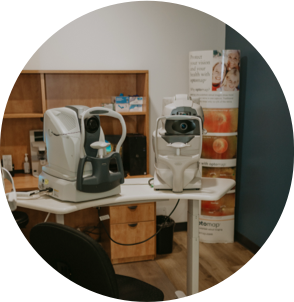
Another important part of the exam is a refraction test. During this test, you sit behind a phoropter, a machine with multiple lenses. We can then switch between different lenses to test your vision and help determine which lens power you may need for glasses.
Eye Health Assessment
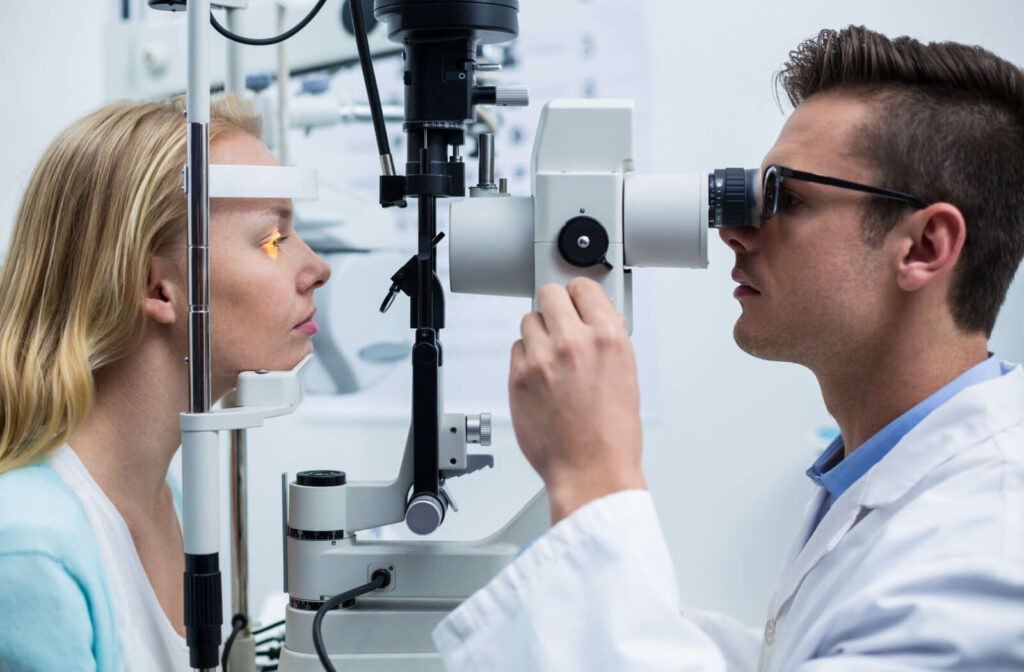
During an eye health assessment, your eye doctor looks at the eye’s internal structures. This part of your eye exam is critical for diagnosing eye diseases. Many diseases can develop with limited symptoms, but we can identify these issues with a thorough eye health assessment.
We can use a variety of instruments and lights to examine your eyes from front to back, checking for any signs of damage or disease.
Book Your Next Eye Exam
Eye exams have a cost, but there is partial coverage available for some people in Alberta. Many forms of eye care can also be covered with private health benefits, such as those offered by different workplaces and employers. Remember to check your eye exam coverage with the AHCIP and your private insurance provider.
You can also contact us at Prairie Vision to get help determining your coverage for eye care in Alberta. And don’t forget to book an appointment when it’s time for your next eye exam.